
Aseptic filling machine
Aseptic filling machine ensures sterile, precise, and efficient liquid packaging for beverages, dairy, and juices.
You are here: Home » Aseptic filling machine
What Is Aseptic Filling?
You are at the right place if you are seeking high quality water filling machine or whole water bottling line! MG Machinery is the leader in modern beverage bottling machine design and manufacturing. We provide economic, one-stop solution for rinsing, filling and capping.
Whether you are looking for a small water filling machine small size for home business or an full automatic water filling machine large size for large scale production, MG Machinery equipments are designed for high efficiency, precision and hygiene they let you achieve your production goals with dependable performance and stringent quality control.
MG Machinery Aseptic Filling Machines
The quality assurance of MG Machinery aseptic filling machines is high, the product safety is high, and the stability is high. The stable aseptic conditions and the contamination risks are controlled by efficient UHT sterilization, automated CIP/SIP, H₂O₂ packaging sterilization and by HEPA-filtered positive-pressure isolator.
The quality assurance of MG Machinery aseptic filling machines is high, the product safety is high, and the stability is high. The stable aseptic conditions and the contamination risks are controlled by efficient UHT sterilization, automated CIP/SIP, H₂O₂ packaging sterilization and by HEPA-filtered positive-pressure isolator.
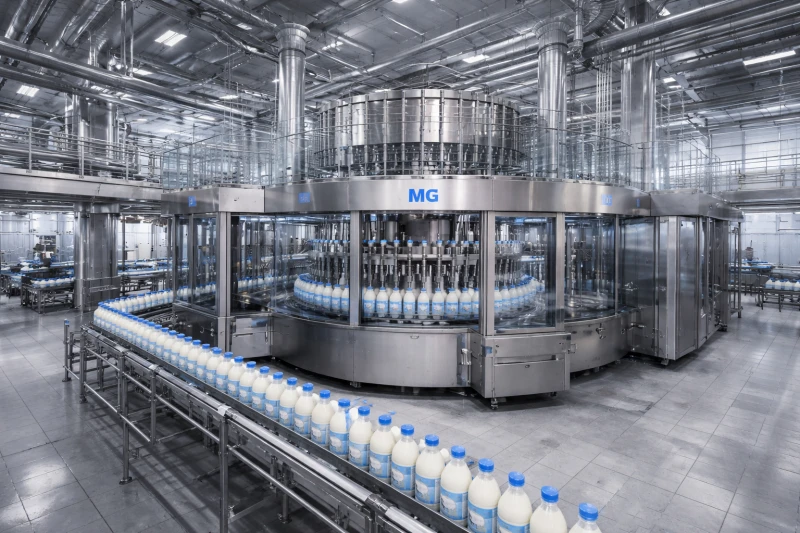
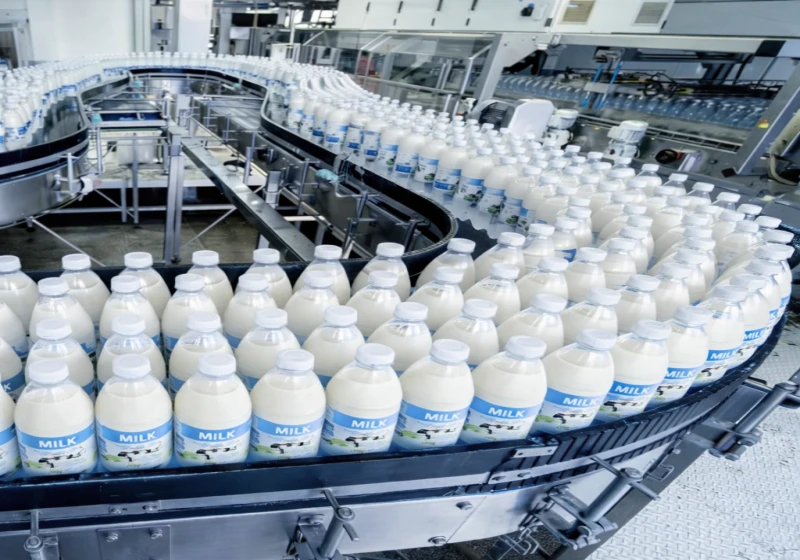
MG Machinery's core value proposition
Preserves Flavor and Nutrition & Extends Shelf Life: Uses Ultra-High Temperature (UHT) short-time sterilization to minimize damage to heat-sensitive components, achieving 6–12 months or more at ambient temperature.
Packaging Flexibility & Eco Efficiency: Supports heat-sensitive packaging like lightweight PET bottles and eliminates secondary heating/pasteurization, reducing energy consumption.
Aseptic Filling Line: Complete Process Flow
Raw Material Handling & Blending
Water Treatment (Reverse Osmosis, Softening, Sterilization)
Batching System (Automatic Weighing, Dissolving, Mixing)
Filtration & Deaeration (Removes impurities and oxygen to prevent oxidation)
Ultra-High Temperature (UHT) Sterilization
Temperature/Time: 135–150°C for 2–10 seconds.
Sterilization Methods: Tubular, plate, or scraped surface heat exchangers.
System Requirements: Equipped with automatic CIP and SIP systems.
Aseptic Buffer & Transfer
Sterile Buffer Tank: Double-sealed design ensures maximum sterility.
Overpressure Protection: Continuous sterile air or nitrogen prevents contamination.
Sterile Piping System: Dead-space-free design with full in-line sterilization.
Packaging Material Sterilization
PET Bottle Sterilization: H₂O₂ spray or immersion (30–35%), residue ≤ 0.5 ppm.
Closure/Lid Sterilization: Dry heat, H₂O₂ vapor, or UV-C.
Paper-based Packaging Sterilization: Combined H₂O₂, hot air, and UV treatment.
Aseptic Filling & Sealing
Aseptic Filling Zone: ISO Class 5, H14 HEPA filters, positive pressure 20–50 Pa.
Filling Valve Technology: Electronic volumetric ±0.5%, contactless/no-drip, SIP-capable valves.
Sealing Methods: Screw capping (torque-controlled), aluminum foil heat sealing, ultrasonic sealing.
Online Inspection & Secondary Packaging
Fill Level Inspection.
Seal Integrity Inspection (Vacuum/Pressure Testing).
Label Printing & Application.
Automatic Palletizing & Warehousing.
Detailed Look at Core Equipment
Aseptic UHT Systems
Tubular UHT: Suitable for nectar drinks, soy milk.
Plate UHT: Suitable for clear juices, tea drinks.
Direct Steam Injection: Fastest heating, suitable for highly heat-sensitive products.
Types of Aseptic Fillers
Tubular UHT: Suitable for nectar drinks, soy milk.
Plate UHT: Suitable for clear juices, tea drinks.
Direct Steam Injection: Fastest heating, suitable for highly heat-sensitive products.
Aseptic Environment Control Systems
- Isolator Technology.
- Laminar Airflow Clean Air Systems.
- Online Microbiological Monitoring (Airborne & Settle plates).
Technical Challenges & Critical Control Points
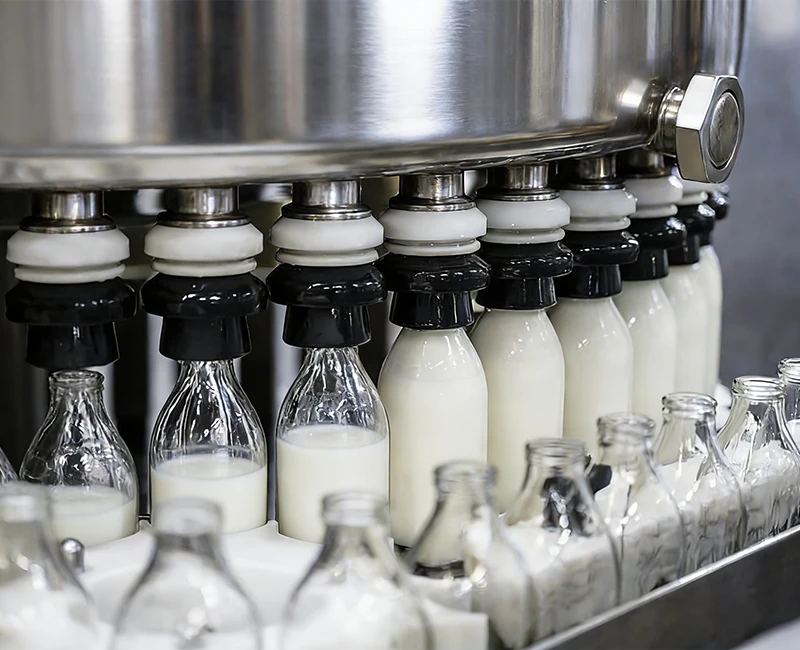
Ensuring Systemic Sterility
- SIP Validation: The product contact surfaces shall be brought to a sterile condition.
- Remove Dead Legs: Design of piping and valves shall minimize stagnant areas.
- Reliability of the Seal: Double mechanical seals subject to periodic integrity testing.
Consistent Packaging Sterilization
- Precise control of H₂O₂ concentration, temperature, and exposure time.
- Residue monitoring (must comply with various national regulations).
- Relationship between PET bottle surface properties and sterilization efficacy.
Maintaining the Aseptic Environment
Positive pressure cascade design (Filling Zone > Buffer Zone > External).
Strict personnel protocols (glove ports, sterile garments).
Contamination control during equipment maintenance.
Product Compatibility
Tailoring the sterilization parameters to the different pH products.
- It was settled that for the solute-containing products at least, homogenization and sterilization would be combined.
- Removal of air and flow of nitrogen for products sensitive to oxidation.
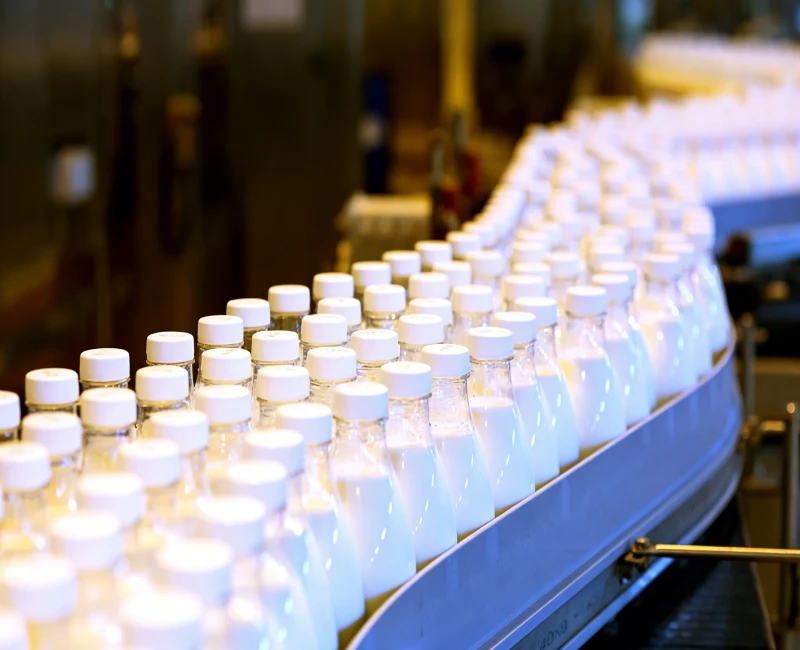
Aseptic Filling vs. Hot Filling vs. Conventional Filling
| Comparison Dimension | Aseptic Filling | Hot Filling | Conventional Filling (Non-Aseptic) |
|---|---|---|---|
| Filling Temperature | Ambient (20-30°C) | 85-95°C | Ambient or Chilled |
| Shelf Life | 6-12 months (Ambient) | 6-12 months (Ambient) | Short (Requires Refrigeration) |
| Flavor Retention | ★★★★★ | ★★★☆☆ | ★★★★★ (but prone to spoilage) |
| Nutrition Retention | ★★★★★ | ★★★☆☆ | ★★★★★ (but prone to spoilage) |
| Packaging Constraints | Lightweight PET, Paperboard allowed | Requires heat-resistant PET (Heavier bottle) | No special requirements |
| Energy Consumption | Lower (One-time sterilization) | High (Heats product + packaging) | Lowest |
| Capital Investment | High | Medium | Low |
| Technical Complexity | Very High | Medium | Low |
| Typical Applications | Juices, Teas, Plant-based Milks, Functional Drinks | Acidic Drinks, Some Teas | Short Shelf-Life Products, Chilled Products |
Considerations for aseptic filling
1. Pre-Planning
- Define product characteristics (pH, viscosity, heat sensitivity).
- Capacity planning with room for expansion.
- Facility layout and cleanroom area design.
2. Equipment Selection
- Choose suppliers with proven track records.
- Focus on the automation level of SIP/CIP systems.
- Consider spare parts availability and technical service support.
3. Personnel Training
Specialized training in aseptic operating procedures.
Microbiology fundamentals training.
Emergency response and deviation management.
4. Validation & Compliance
Factory Acceptance Test (FAT) & Site Acceptance Test (SAT).
Performance Qualification (PQ) to 3A standards.
Compliance with FDA, EU, GB, and other relevant regulations.
5. Daily Operations
- Strict adherence to Standard Operating Procedures (SOPs).
- Regular environmental monitoring and preventive equipment maintenance.
- Comprehensive documentation and traceability system.
FAQ
What is aseptic PET bottle filling?
Aseptic PET bottle filling is a packaging method using transparent, lightweight, and re-sealable PET bottles. It’s commonly used for premium juices, tea drinks, and functional beverages.
What are the main advantages of aseptic carton packaging?
Aseptic carton packaging (e.g., Tetra Pak) is cost-effective, easy to transport, and protects light-sensitive products. It’s ideal for milk, plant-based protein drinks, and juices.
What is Bag-in-Box (BIB) packaging used for?
BIB allows large-volume, low-cost, and space-saving storage. It’s mainly used in foodservice/HoReCa channels and for industrial food ingredients.
What are the benefits of aseptic glass bottle filling?
Glass bottles provide a premium image and long shelf life, suitable for high-end beverages and organic products.
Why is aseptic packaging market growing?
Key drivers include consumer demand for preservative-free and natural drinks, supply chain expansion without cold chain, packaging innovation, and enabling new product types like particle-containing or neutral pH beverages.
Where are new application areas emerging?
Rapid growth is seen in plant-based beverages (oat, almond, soy milk), functional drinks (protein, energy, probiotic), RTD coffee, and new bottled tea drinks.
Who are the main competitors in aseptic equipment?
International brands like Tetra Pak, Sidel, and Krones dominate high-end markets, while Chinese manufacturers such as Newamstar, Prism, and Lehui compete on cost-effectiveness.
How difficult is it to enter the aseptic equipment market?
The market has high technical barriers, especially for core components like aseptic assurance systems and filling valves. Total solution services and rapid response are key differentiators.
How is the aseptic filling industry evolving?
Trends include flexible production lines for multiple products/packaging, digitalization with real-time monitoring and predictive maintenance, sustainability (less water, chemical, and energy use), and modular designs for faster installation and lower costs.
How long can aseptic-packaged products last?
Depending on the product and packaging, shelf life ranges from 6 to 12 months or longer at ambient temperature, preserving flavor and nutrition.